Passwords are still one of the primary keys protecting modern business systems—but they are also one of the weakest links in cybersecurity. Despite advances in security technology, many breaches still begin with compromised credentials.
For small and medium-sized businesses (SMBs), the impact of a single stolen password can be devastating, leading to financial loss, operational disruption, and reputational damage.
At CaliCoders, we help businesses implement secure password management systems and layered authentication strategies that significantly reduce the risk of unauthorized access and data breaches.
Why Passwords Still Matter
Even with advanced security tools available today, passwords remain the most common method of authentication across business systems.
They are used to access:
- Email accounts
- Cloud platforms
- Banking and financial systems
- Customer databases
- Business applications
- Remote access tools
The Problem
The issue is not that passwords exist—it’s how they are used and managed.
Cybercriminals actively target passwords because they provide direct access to sensitive systems without needing to bypass complex security infrastructure.
Common Password Mistakes
Many security breaches occur due to simple, avoidable mistakes.
1. Weak Passwords
Passwords like:
- “123456”
- “password”
- “companyname123”
are still widely used and extremely easy to guess or crack.
2. Password Reuse
Using the same password across multiple accounts creates a major security risk.
If one account is compromised, attackers can access:
- Email systems
- Banking platforms
- Internal tools
- Cloud services
3. Storing Passwords Insecurely
Employees often store passwords in:
- Spreadsheets
- Sticky notes
- Email drafts
- Browser autofill without protection
These methods are highly vulnerable to theft.
4. Sharing Credentials
Sharing login credentials between employees eliminates accountability and increases exposure risk.
5. Lack of Password Updates
Many users rarely change passwords, even after security incidents or warnings.
Credential Theft and Account Takeovers
Credential theft is one of the most common entry points for cyberattacks.
How Credentials Are Stolen
Cybercriminals use multiple techniques, including:
- Phishing emails and fake login pages
- Malware that captures keystrokes
- Data breaches from third-party services
- Credential stuffing attacks using leaked passwords
- Social engineering tactics
What Happens After a Breach
Once attackers gain access to valid credentials, they can:
- Access sensitive company data
- Impersonate employees or executives
- Initiate fraudulent transactions
- Install malware or ransomware
- Move laterally through systems
Why It’s Hard to Detect
Unlike traditional attacks, credential-based attacks often appear legitimate because the attacker is using valid login information.
This makes early detection difficult without monitoring and layered security controls.
Benefits of Password Management Platforms
Password management solutions are one of the most effective ways to eliminate weak credential practices across an organization.
1. Secure Password Storage
All passwords are stored in an encrypted vault protected by advanced security protocols.
2. Strong Password Generation
These platforms automatically create:
- Long
- Complex
- Unique
passwords that are extremely difficult to crack.
3. Elimination of Password Reuse
Each account can have a unique password without requiring users to memorize them.
4. Centralized Access Control
Administrators can:
- Manage employee access
- Revoke credentials instantly
- Monitor usage patterns
- Enforce security policies
5. Improved Productivity
Employees no longer waste time resetting or remembering passwords.
6. Secure Sharing
Teams can securely share credentials without exposing actual passwords.
Multi-Factor Authentication and Password Security
Even the strongest password is not enough on its own.
What Is Multi-Factor Authentication (MFA)?
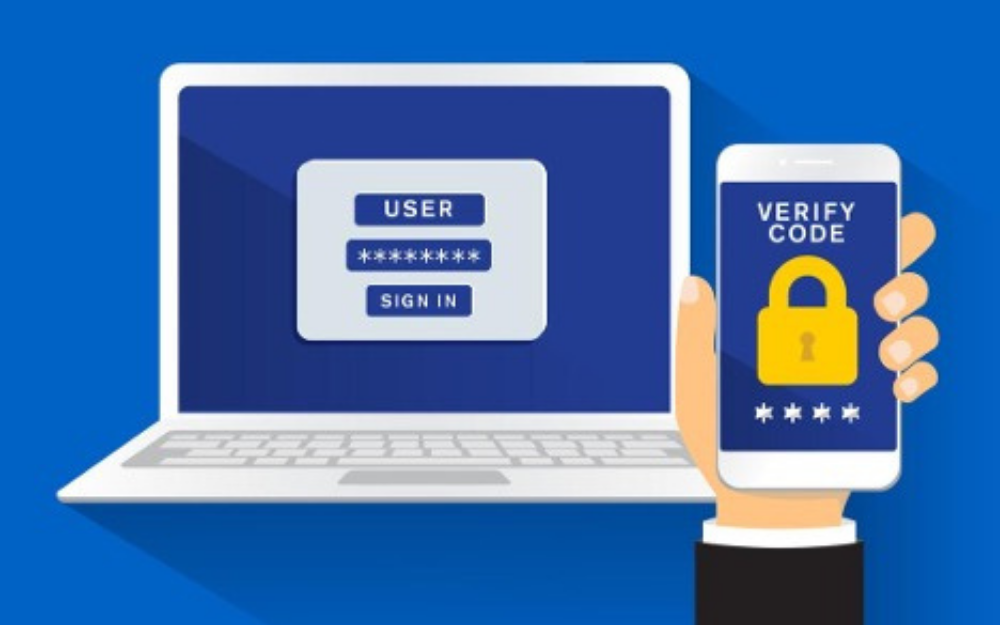
MFA adds an additional verification layer beyond a password, such as:
- Mobile authentication apps
- Text message codes
- Hardware security keys
- Biometric verification
Why MFA Is Critical
If a password is stolen, MFA can still prevent unauthorized access by requiring an additional verification step.
Best Practice Approach
The most secure systems combine:
- Strong unique passwords
- Password management platforms
- Multi-factor authentication
Together, these create a layered defense against credential-based attacks.
Building a Secure Password Policy
A strong password policy helps standardize security practices across an organization.
Key Elements of a Strong Policy
1. Minimum Password Complexity
Require:
- At least 12–16 characters
- Mixed character types
- No common words or patterns
2. Unique Password Requirements
Every system and account should have a unique password.
3. Mandatory MFA Usage
Require MFA for:
- Email systems
- Remote access
- Cloud applications
- Administrative accounts
4. Password Manager Adoption
Require employees to use approved password management tools.
5. Regular Security Training
Educate employees on:
- Phishing awareness
- Credential safety
- Secure login practices
6. Access Control Enforcement
Apply the principle of least privilege:
- Employees only access what they need
- Admin access is limited and monitored
How CaliCoders Helps Businesses Secure Credentials
At CaliCoders, we provide comprehensive credential security solutions designed to protect businesses from password-related breaches and unauthorized access.
Password Management Implementation
We help businesses deploy secure password management platforms that:
- Eliminate weak password usage
- Centralize credential storage
- Improve access control
- Strengthen overall security posture
Multi-Factor Authentication Setup
We configure MFA across critical systems, including:
- Email platforms
- Cloud services
- Business applications
- Remote access tools
Security Policy Development
We create customized password policies tailored to your organization’s:
- Size
- Industry
- Compliance requirements
- Risk profile
Employee Security Training
We provide training to help employees:
- Recognize phishing attempts
- Use password tools correctly
- Follow security best practices
- Reduce human error risks
Continuous Monitoring and Support
We monitor systems for:
- Suspicious login attempts
- Credential abuse
- Unauthorized access patterns
Strategic IT Guidance (vCIO Services)
We help businesses align credential security with broader cybersecurity and compliance strategies.
Final Thoughts
Weak passwords remain one of the easiest ways for attackers to compromise business systems. As cyber threats become more sophisticated, organizations must move beyond simple password practices and adopt a layered security approach.
Password management solutions, combined with multi-factor authentication and strong security policies, significantly reduce the risk of credential theft and account takeover.
For SMBs, improving password security is one of the fastest and most cost-effective ways to strengthen overall cybersecurity.
Strengthen Your Security with CaliCoders
At CaliCoders, we help businesses eliminate password risks, implement secure credential management systems, and build stronger cybersecurity foundations.
Contact CaliCoders today to secure your business credentials and protect your organization from preventable cyber threats.
To get started, call our office at 909-654-6444 or click here to schedule a consultation.